How to Tell If a Hoodie Is Heavyweight Cotton (2026 Guide)

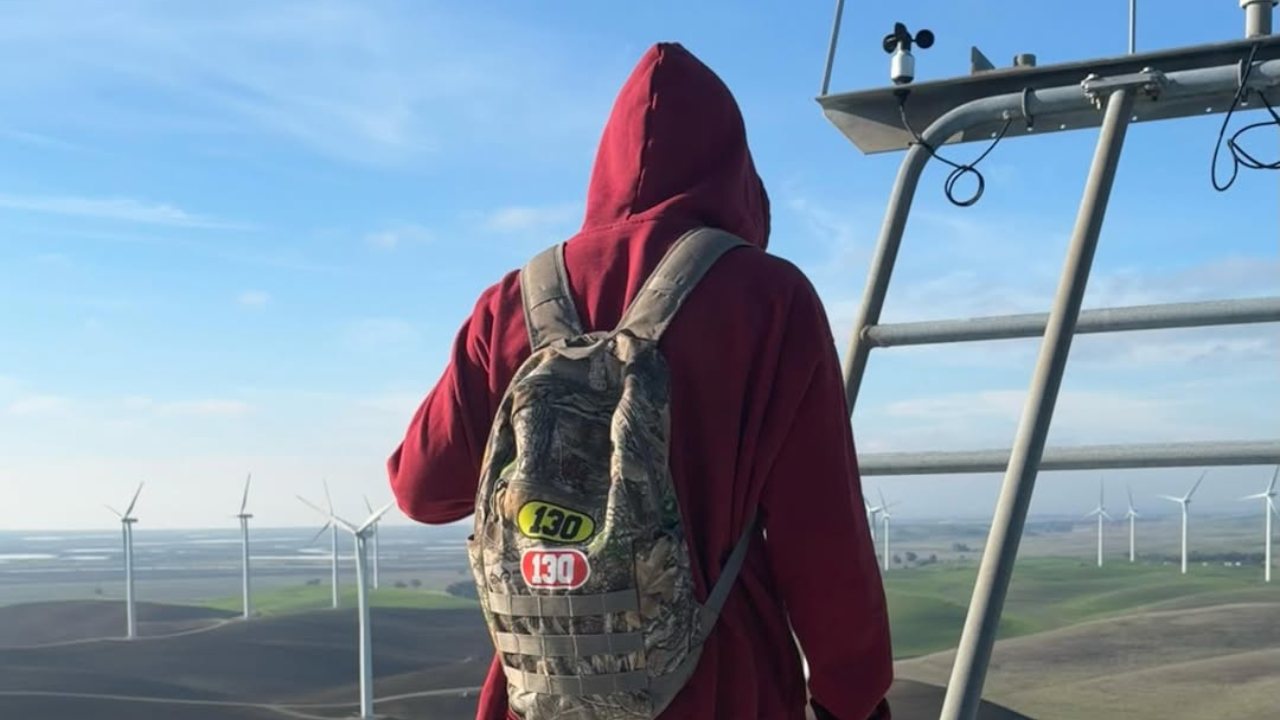
A heavyweight cotton hoodie is one built from fabric that typically sits at 400GSM or above, meaning it holds its shape, drapes with weight instead of clinging, and feels substantial the moment you pick it up. At 130 World, we build our hoodies around that exact standard, so we get asked constantly how to judge heavyweight cotton before buying online. This guide walks through the real signs, no guesswork required.
Key takeaways
- A heavyweight cotton hoodie usually starts around 400GSM; always check the stated weight before buying.
- Heavyweight cotton feels dense and slightly stiff out of the bag, with a visible, tight weave and almost no see-through under light.
- Seams, ribbing and drawcords on a heavier hoodie are thicker and better reinforced than on lightweight fleece.
- Heavyweight hoodies drape with structure and hold creases, while lightweight hoodies cling and crease easily.
- 130 World states GSM on its hoodies so you can compare fabric weight before you buy, not after.
Why GSM Is the First Thing to Check on a Heavyweight Cotton Hoodie
GSM stands for grams per square meter, and it is the single most reliable number for judging a heavyweight cotton hoodie. Lightweight hoodies usually sit around 240 to 280GSM, mid-weight pieces land near 320 to 360GSM, and genuine heavyweight cotton starts around 400GSM. If a listing states the number, trust it over marketing language like “premium” or “heavyweight” used without a figure attached. 130 World lists GSM directly on its product pages, including its hoodie lineup, so you can compare fabric weight before you ever touch the garment.
| Category | Typical GSM | Feel |
|---|---|---|
| Lightweight fleece | 180 to 280GSM | Thin, soft, drapes close to the body |
| Mid-weight hoodie | 300 to 380GSM | Moderate thickness, some structure |
| Heavyweight cotton | 400GSM and up | Dense, stiff out of the bag, boxy drape |
What Heavyweight Cotton Actually Feels Like
Pick up a genuine heavyweight cotton hoodie and the difference is obvious within seconds. The fabric feels dense rather than fluffy, closer to a thick canvas than a soft blanket. Hold it up to a light source and almost none passes through, because the yarns are packed tightly together with very little gap in the weave.
Lightweight hoodies, by contrast, often feel airy and slightly see-through when stretched. A heavyweight cotton hoodie also resists stretching out of shape when you pull at the hem or cuffs, since the denser fibers hold their structure under pressure.
Checking Seams, Ribbing, and Drawcords
Construction details tell you almost as much as the fabric itself. On a true heavyweight hoodie, the ribbing at the cuffs and waistband is thicker and sits with more visible texture than on a lightweight piece. Drawcords are usually flat cotton rather than thin round cord, and the eyelets they pass through are reinforced with metal or dense stitching rather than a single row of thread.
Flip the hoodie inside out and look at the shoulder seams. Heavyweight cotton needs stronger stitching to hold under the extra fabric weight, so you should see double or triple stitch lines rather than a single pass. Loose threads, thin single-stitch seams or a flimsy drawcord are signs the piece is lighter than advertised, no matter what the listing claims.
How a Heavyweight Hoodie Drapes Compared to Lightweight Fleece
Drape is one of the easiest tells once you know what to look for. A heavyweight cotton hoodie holds its own shape when you lay it flat or hang it up, with the hem sitting squared off rather than curling or folding under its own weight. Lightweight fleece tends to cling to the body, move with every motion, and crease sharply when folded or packed in a bag.
That structured drape is also why heavyweight hoodies photograph better on a hanger and tend to look less wrinkled after a day of wear. If a product photo shows a hoodie clinging tightly to a mannequin or model, that is usually a lightweight build rather than a true heavyweight cotton hoodie.
Reading Product Photos and Descriptions Online
When you cannot touch the fabric before buying, close-up photos do a lot of the work. Look for shots that show the weave texture rather than only full-body lifestyle images. A tight, almost matte weave with visible texture under flash photography is a strong signal of heavier fabric.
Read the fit description too. Words like “structured,” “boxy,” or “oversized drape” usually point to heavier fabric, while “slim,” “soft hand feel,” or “lightweight layer” point the other way. 130 World pairs its photos with a stated GSM number specifically so shoppers do not have to guess from language alone.
Price as a Clue, Not Proof
Heavier cotton costs more to produce because it uses more raw fiber per garment and requires sturdier thread and ribbing to support that weight. A hoodie priced noticeably below the market average for heavyweight cotton is worth a second look at the fabric specs, since corners are often cut somewhere to hit that price. At 130 World, hoodies run around $100, which reflects the cost of 400GSM cotton and the reinforced construction that goes with it rather than a markup for branding.
Price alone is never proof of fabric weight, though. Always check the stated GSM first and treat price as a supporting signal, not the main one.
130 World’s Approach to Heavyweight Cotton
130 World built its hoodie range specifically around heavyweight cotton rather than treating it as a premium upgrade. Every hoodie on the site states its GSM, so shoppers can compare it directly against lighter alternatives elsewhere instead of relying on vague marketing copy. That transparency is the fastest shortcut available if you want a heavyweight cotton hoodie without inspecting fabric samples in person.
Frequently Asked Questions
Here are direct answers to the questions people ask most often before buying a heavier hoodie.
Final Thoughts
Judging fabric weight online does not have to be guesswork once you know what to check: GSM number, weave density, seam construction, and drape. Put those four checks together and you can spot a genuine heavyweight cotton hoodie from a listing page alone. 130 World states GSM on every hoodie for exactly this reason, so browse the current lineup and compare the numbers for yourself before you buy.
Frequently asked questions
What GSM counts as a heavyweight cotton hoodie?
Most people in streetwear consider 400GSM and up to be genuinely heavyweight cotton. Anything under 300GSM is lightweight, and 300 to 380GSM is mid-weight. 130 World states the exact GSM on its hoodies so you never have to guess.
How can I tell fabric weight without touching the hoodie first?
Check the product page for a stated GSM number, look at close-up fabric photos for weave tightness, and read the fit description. A heavier piece is usually described as structured or boxy rather than slim or clingy.
Does a heavier hoodie always mean better quality?
Not automatically, but heavier cotton almost always means a denser weave, which resists pilling and holds shape longer. Combined with solid stitching, that weight is a strong practical signal of durability.
Why do heavyweight cotton hoodies cost more?
They use more raw cotton per garment and require sturdier thread, ribbing and construction to support the extra weight. That is part of why 130 World prices its hoodies around $100 rather than treating them as a cheap basic.
Can I check fabric weight through a photo before purchase?
Yes, to a point. Look for a tight, almost matte weave with no light passing through the fabric, and check if the hood and cuffs look thick and structured rather than thin and stretchy.